A treatment center can have experienced clinicians, strong outcomes, and a respected reputation within the behavioral health community, yet still struggle to generate consistent admissions. Increasingly, the reason has less to do with clinical quality and more to do with how people make decisions.
Today’s consumers approach addiction treatment differently than they did even five years ago. Families no longer rely on a single referral or the first rehab center they find online. They research extensively, compare providers, verify information across multiple platforms, and often delay reaching out until they feel confident they have found the right fit.
For treatment centers, this shift has changed what successful marketing looks like. Admissions growth is no longer driven by visibility alone. It depends on understanding the modern consumer’s decision-making process and building trust at every stage of that journey.
What Has Changed About Consumer Behavior?
The biggest change is simple: consumers are more informed than ever before.
A family member looking for help doesn’t stop after one Google search. They move between search engines, AI assistants, online reviews, YouTube videos, treatment directories, insurance resources, and provider websites.
Many also consult trusted professionals, friends, or family members before making a decision.
Instead of asking, “Which rehab center is closest?” they’re asking:
- Which provider has experience treating this specific condition?
- Will my insurance be accepted?
- What happens after detox?
- Does the treatment center address mental health?
- Can I trust what I’m reading?
The search for treatment has become a search for certainty.
Why This Matters More Than Ever
Addiction treatment is unlike most healthcare purchases.
Families are often making decisions during moments of fear, urgency, guilt, and uncertainty. They know they may only have one opportunity to convince a loved one to accept treatment.
That emotional pressure changes consumer behavior.
People become careful researchers.
They compare facilities that offer detox, residential treatment, PHP, IOP, MAT, and dual diagnosis care. They examine websites closely. They read reviews carefully. They often revisit the same provider multiple times before contacting admissions.
The treatment center that consistently answers questions and reduces uncertainty is often the one that earns the call.
Search Has Become a Conversation
Traditional search behavior looked something like this:
“Drug rehab near me.”
Today’s searches are much more detailed.
Consumers ask questions like:
- Is residential rehab better than outpatient treatment?
- How long does detox usually last?
- Can anxiety and addiction be treated together?
- What should I expect during admission?
- How do I choose between treatment centers?
Increasingly, these questions are being asked directly to AI tools as well as search engines.
That means treatment centers must create content that educates first and markets second.
Organizations investing in Addiction Treatment Center SEO, Behavioral Health SEO, and Mental Health Treatment SEO should focus on becoming the most helpful source of information, not simply the most visible one.
Families Expect Immediate Answers
One noticeable trend is the decline in patience.
If a website doesn’t quickly explain treatment options, insurance information, or admissions procedures, visitors often leave without making contact.
Consumers expect clear answers within seconds.
That expectation extends beyond websites.
Google Business Profiles, review platforms, FAQs, videos, and educational articles all contribute to the overall experience.
Every unanswered question increases the likelihood that someone will continue researching another provider.
Reviews Now Influence Clinical Perception
Treatment centers sometimes underestimate the role of online reviews.
Consumers don’t.
Reviews help answer questions that marketing materials cannot.
Families pay attention to comments about:
- Staff compassion
- Communication
- Cleanliness
- Professionalism
- Admissions experience
- Family involvement
Even highly qualified clinical programs can lose prospective admissions if public perception doesn’t reflect the quality of care being delivered.
Reputation management is no longer separate from marketing. It’s part of the consumer decision process.
The Rise of Independent Verification
One of the most important behavioral shifts isn’t where consumers search. It’s how they validate information.
People rarely trust a provider’s claims without looking for independent confirmation.
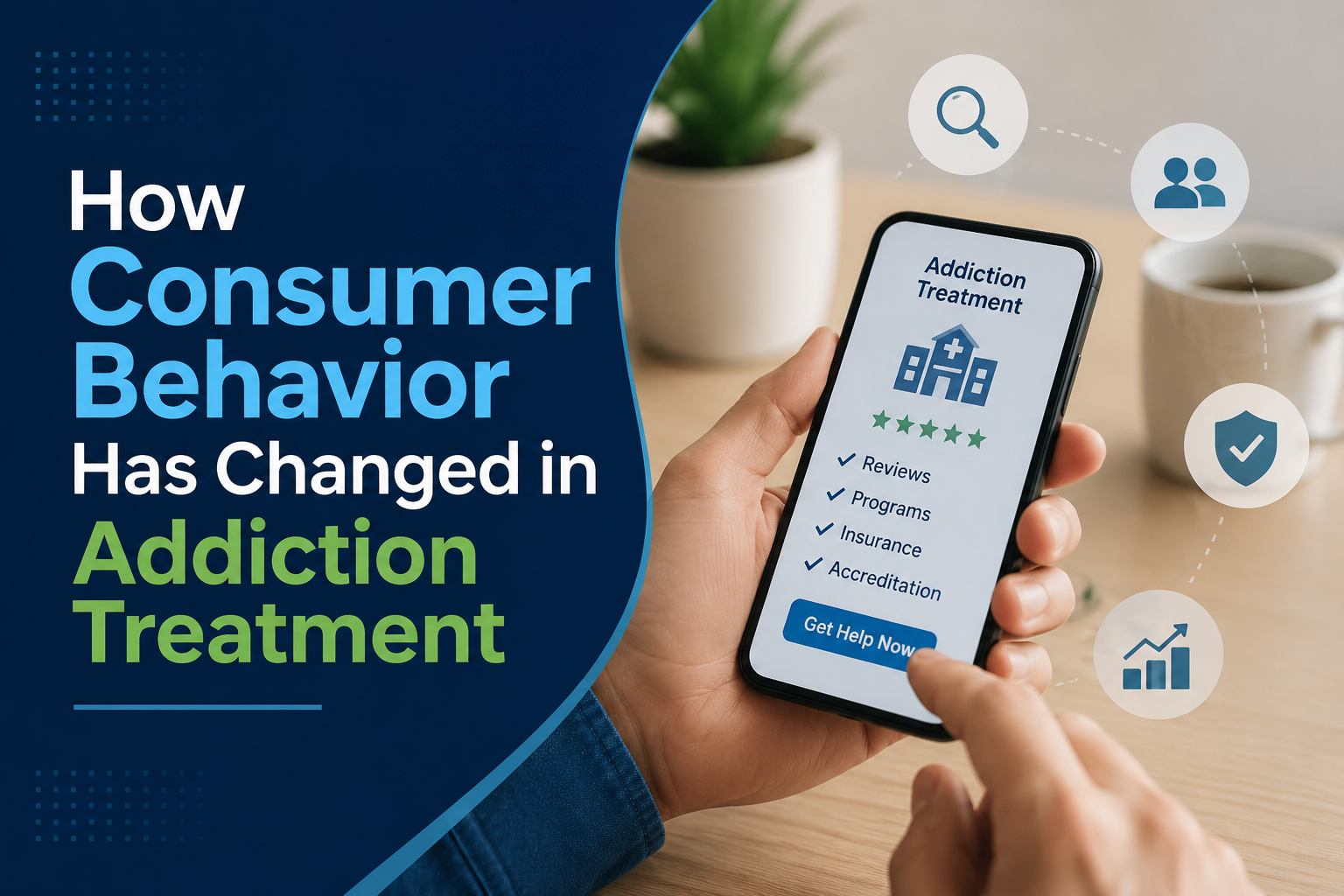
They verify through:
- Google reviews
- Third-party directories
- Professional accreditations
- Staff credentials
- Community mentions
- Educational resources
- Social proof
This is why consistency across every digital touchpoint matters.
Conflicting information creates hesitation.
Accurate, transparent information builds confidence.
Consumers Compare Experiences, Not Just Programs
Two treatment centers may offer nearly identical clinical services.
One receives significantly more admissions.
Why?
Because consumers compare the complete experience.
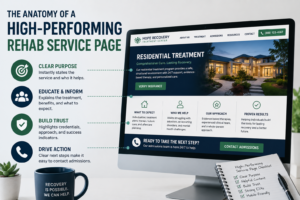
They notice whether the website feels professional.
They notice whether clinicians are introduced.
They notice whether treatment programs are clearly explained.
They notice how quickly admissions responds.
Marketing is no longer just about promoting services.
It’s about demonstrating competence before the first conversation ever happens.
AI Is Changing Expectations
AI platforms have introduced another layer to consumer research.
Instead of visiting ten websites, people increasingly ask AI to summarize treatment options, compare levels of care, or explain complex behavioral health concepts.
This means treatment centers benefit from publishing content that is:
- Accurate
- Well-organized
- Easy to understand
- Supported by genuine expertise
AI systems are designed to surface information that answers questions clearly, not content that repeats keywords.
The organizations that invest in educational resources today are positioning themselves for both traditional search and AI-driven discovery.
Common Mistakes Treatment Centers Continue to Make
Speaking Like Marketers Instead of Educators
Families don’t want promotional language.
They want practical guidance.
The providers that explain rather than persuade often establish stronger credibility.
Measuring the Wrong Metrics
High website traffic doesn’t always translate into admissions.
More meaningful metrics include:
- Qualified inquiries
- Admissions conversion rate
- Time on educational pages
- Repeat website visits
- Organic branded searches
These indicators reveal whether consumers trust your organization enough to continue their research.
Ignoring the Family Experience
Patients aren’t always the primary researchers.
Parents, spouses, adult children, siblings, and close friends frequently lead the search.
Content should address their concerns just as much as the prospective patient’s.
What Leading Treatment Centers Are Doing Differently
Organizations seeing sustainable admissions growth tend to share several characteristics.
They educate before they sell.
They invest in authoritative content.
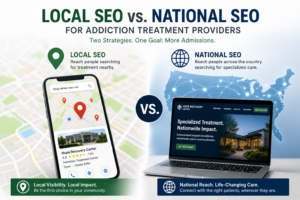
They strengthen local and national visibility simultaneously.
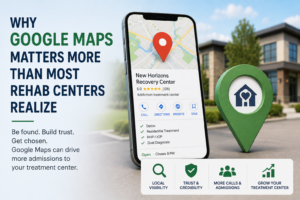
They maintain accurate Google Business Profiles.
They showcase clinical expertise without overwhelming visitors with technical language.
They align marketing with admissions so families receive consistent messaging throughout their journey.
Most importantly, they understand that trust isn’t created during the admissions call.
It’s built through every interaction that happens beforehand.
The Future of Consumer Behavior in Addiction Treatment
Consumer expectations will continue evolving.
AI search will become more common.
Video content will influence more decisions.
Families will expect greater transparency.
Search journeys will become even less predictable.
Treatment centers that succeed won’t necessarily be the ones with the biggest marketing budgets.
They’ll be the organizations that make it easiest for families to understand their options, verify credibility, and feel confident taking the next step.
Building Marketing Around the Way People Actually Decide
Consumer behavior has fundamentally changed the addiction treatment industry. Marketing strategies that worked a decade ago are no longer enough because families no longer make decisions the same way.
The most successful treatment centers recognize that admissions begin long before the phone rings. They invest in educational content, strengthen trust signals, improve search visibility, and create seamless experiences across every digital touchpoint.
At The Rehab SEO Specialists, we help behavioral health organizations build marketing strategies that reflect how today’s consumers actually research, compare, and choose addiction treatment providers. When marketing aligns with real decision-making behavior, treatment centers are positioned to earn more qualified inquiries and build sustainable admissions growth. You can schedule a strategy session or explore additional resources at The Rehab SEO Specialists.
Frequently Asked Questions
Why has consumer behavior changed in addiction treatment?
Consumers have access to more information through search engines, AI platforms, reviews, and healthcare resources, allowing them to research providers more thoroughly before making contact.
How many treatment centers do families usually compare?
Many families compare several providers before contacting admissions, evaluating treatment programs, reviews, staff credentials, insurance information, and overall trustworthiness.
Are referrals still important?
Yes. Professional referrals remain valuable, but most referred families still conduct independent online research before choosing a provider.
Does AI affect addiction treatment marketing?
Yes. AI tools increasingly answer healthcare questions directly, making educational, authoritative content more valuable for visibility and credibility.
Why do online reviews matter so much?
Reviews provide independent insight into patient and family experiences, helping prospective admissions evaluate trust before making contact.
What information do consumers expect to find online?
They typically look for treatment options, insurance information, staff credentials, levels of care, admissions processes, family involvement, and aftercare planning.
What is the biggest mistake treatment centers make?
Many focus exclusively on generating traffic instead of improving the overall consumer experience that turns website visitors into admissions.
Does website design influence admissions?
Absolutely. Clear navigation, fast loading times, and well-organized information reduce friction and improve consumer confidence.
Should treatment centers still invest in SEO?
Yes. However, modern SEO should emphasize education, trust, user experience, and AI search visibility rather than keyword density alone.
What should treatment centers prioritize over the next few years?
Organizations should focus on understanding consumer decision-making, strengthening trust signals, publishing authoritative educational content, and aligning marketing with admissions to create a seamless experience from the first search through enrollment.